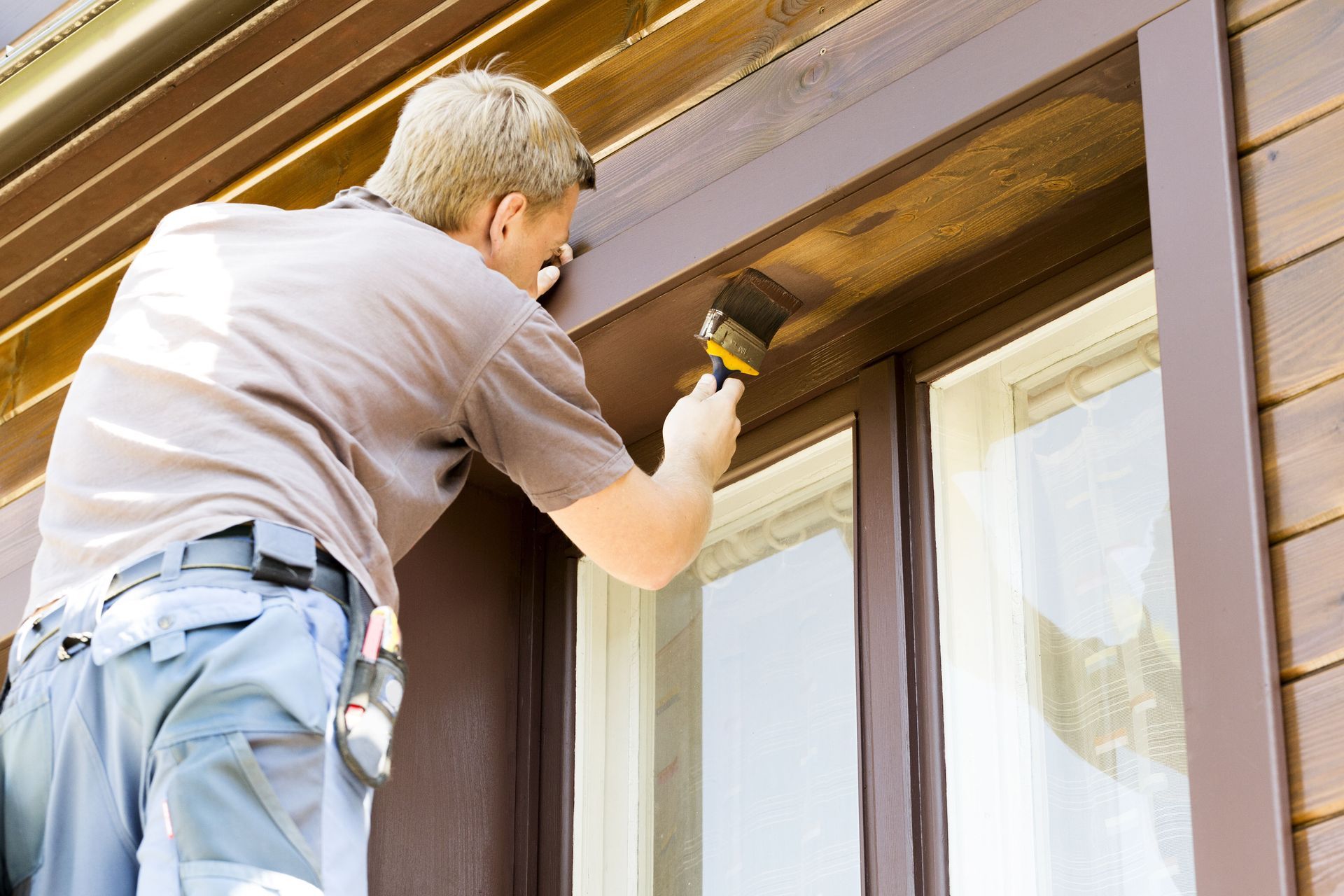
Repainting your home's exterior can be both a necessary maintenance task and an opportunity to refresh its appearance. Unlike interior work, exterior surfaces are constantly exposed to sun, moisture, wind, and temperature changes that gradually cause wear. In this article, we'll explore key signs that signal it's time to get your home's exterior repainted to ensure it remains not only aesthetically pleasing but also well-protected against long-term damage.
1. Peeled or Cracked Paint
Peeled or cracked paint is often one of the first visible signs that your home's exterior needs attention. These symptoms can appear as your home's paint starts to break down, allowing moisture to penetrate the surface. Initially, you might notice small cracks, but over time, these can expand, ultimately leading to significant peeling. Spotting these signs early can save you from more extensive repairs and repainting costs in the future. Homeowners should regularly inspect their exteriors to catch these issues before they become severe.
There are numerous causes for paint peeling and cracking, including moisture intrusion and exposure to extreme weather conditions. Improper surface preparation before the initial paint job also contributes significantly to these issues. Failing to adequately sand, prime, and seal can result in poor paint adhesion. Additionally, low-quality paint can accelerate the deterioration process, leading to quicker appearance of paint failures. As such, working with painting contractors that use quality materials and thoroughly prep is crucial for long-lasting paint.
The effects of weather on exterior paint are profound and multifaceted. Prolonged exposure to sunlight, for instance, can lead to fading and drying out of paint, making it brittle and more prone to cracking. Regions experiencing frequent rain, snow, or humid conditions could see faster paint deterioration due to constant moisture exposure. Strong winds carrying debris can also physically erode the paint surface, leading to more rapid degradation. By understanding the weather's impact, homeowners can take preventive actions, like timely repainting and working with painting contractors that use resilient paint formulations.
2. Fading Colors
Sunlight plays a major role in the fading of exterior paint, primarily due to UV (ultraviolet) rays. UV rays break down the chemical bonds in paint, resulting in color fading and loss of vibrancy over time. This effect is especially pronounced in darker colors, which absorb more sunlight compared to lighter hues. Homeowners in sun-rich areas may need to repaint more frequently to maintain their home's curb appeal. High-quality exterior paints with UV-resistant properties can mitigate this fading.
Fading paint is not just a visual annoyance; it is also a sign that the protective capabilities of your paint are weakening. As paint loses its color, it often becomes less effective at shielding your home from environmental elements like moisture and temperature changes. This vulnerability can open the door to more serious issues, such as moisture penetration and wood rot, if left unaddressed. Therefore, faded paint is an indicator not only of age but also of decreased functional effectiveness, necessitating repainting for continued protection.
Curb appeal is a critical aspect when considering the aesthetics and market value of your home. According to Revive Real Estate, a well-done exterior paint job can increase a property’s value by 2–5%, depending on paint quality, color choice, and overall home condition. Faded or mismatched paint tones can make a home appear neglected and outdated, negatively impacting its overall appeal. For homeowners planning to sell, fresh and vibrant paint colors are crucial to making a positive first impression on potential buyers. Hiring painting contractors to update paintwork can make a remarkable difference in how your home is perceived and valued. Investing in repainting can thus offer a high return on investment relative to the cost of the task.
3. Chalking Surface
Chalking is a process where paint begins to degrade, leaving fine powdery residue on the surface. This phenomenon is easily identified by running your fingers over painted surfaces and noticing a chalk-like substance transferred to your skin. Chalking can occur due to age, environmental exposure, or using low-grade paint that deteriorates quickly. It's not merely an aesthetic problem; it signifies the need for repainting to maintain the protective properties of the paint. Frequent surface checks can help detect chalking at an early stage, allowing timely intervention by painting contractors.
Chalking can be caused by several factors, primarily related to the paint's chemical composition and environmental conditions. The use of low-quality or highly pigmented paint can lead to premature chalking, especially if the paint lacks basic durability traits. Long-term exposure to harsh weather conditions, like excessive rain or sunlight, can also expedite the degradation process. Moreover, incorrect application techniques by painting contractors, such as inadequate stirring and improper surface preparation, can enhance the likelihood of chalking.
A chalking surface poses multiple risks to the structural integrity and aesthetics of your home. Over time, chalking can lead to painted surfaces becoming discolored and patchy, impacting curb appeal negatively. More critically, the protective layer provided by the paint is compromised, resulting in increased susceptibility to moisture, rot, and potentially significant structural damage. Regular maintenance, including prompt repainting by painting contractors, is necessary to prevent these detrimental effects. Addressing chalking early on can avoid larger, more costly repairs further down the line.
4. Mold, Mildew, and Stains
Mold and mildew tend to manifest as black, gray, or green spots on your home's exterior surfaces, often accompanied by a musty odor. These fungal growths thrive in damp, shady areas, typically where moisture is trapped due to poor ventilation or drainage issues. Besides being unsightly, mold and mildew can cause structural damage over time if left untreated. Identifying these intrusions early can ensure that appropriate cleaning and preventive actions are taken promptly. Regular inspections and maintenance, particularly in vulnerable regions of your home, are key to managing this issue.
Stains on exterior walls can result from a myriad of sources, including environmental pollutants, rust from metal fixtures, or organic growth like moss. Different types of stains require specific treatments; for example, rust stains often necessitate not only strong cleaning agents but also addressing the source of the rust. Similarly, organic stains might indicate underlying drainage or humidity issues that need to be resolved to prevent recurrence. Identifying the root causes promptly allows homeowners to tackle not just the symptoms but the underlying problems effectively.
There are various preventative measures that homeowners can take to reduce mold and mildew growth and staining. Regular cleaning of gutters, ensuring proper drainage, and pruning trees and shrubs that block sunlight are effective strategies. Applying sealants on exposed surfaces can also prevent moisture infiltration, a primary cause of mold and mildew. Additionally, mold-resistant paints provide an added layer of defense against these pervasive pests. Speaking with a professional painter can help you choose the right paint type and finish for your climate and exterior materials. Proactive measures not only improve your home’s appearance but also protect its structural health in the long term.
Keeping an eye on the condition of your home's exterior paint can save you time and money in the long run, while also enhancing the beauty and value of your property. By recognizing the signs detailed in this article, you can plan your repainting efforts effectively and maintain your home in the best possible condition. Remember, a well-maintained exterior not only protects your home from the elements but also preserves its charm and appeal. If your home needs a new coat of paint, reach out to our professional painting contractors at Prep Rite Coatings & Contracting today!